
Read this article to learn more about this topic,The Remote Worker’s Guide to Affordable Asian Cities
The Remote Worker’s Guide to Affordable Asian Cities
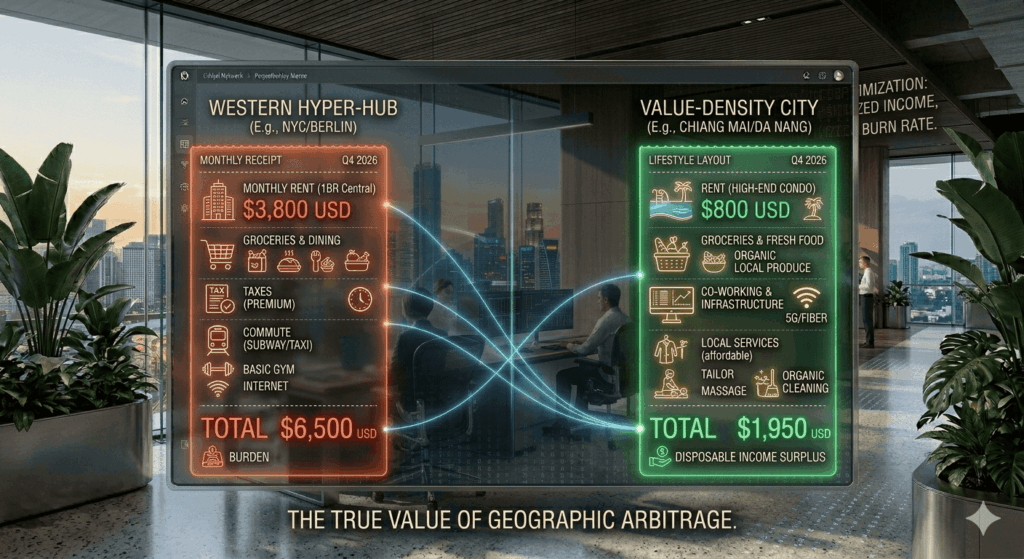
In 2026, the global remote work landscape has shifted away from flashy, hyper-inflated influencer hubs toward cities that offer genuine Value Density. Independent professionals, freelancers, and remote employees are facing a dual challenge: avoiding the rising cost of living in saturated markets while protecting the high-velocity technical infrastructure required to execute daily operations.
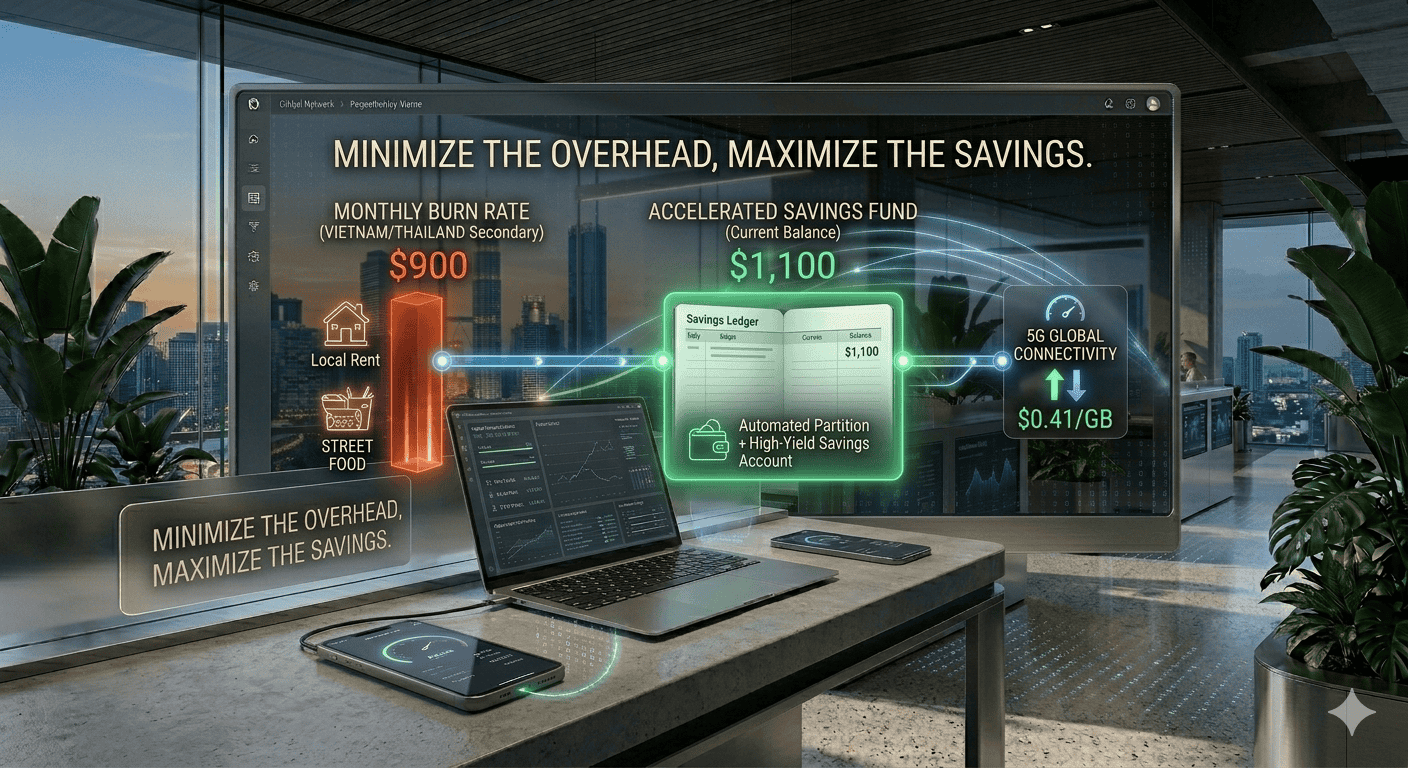
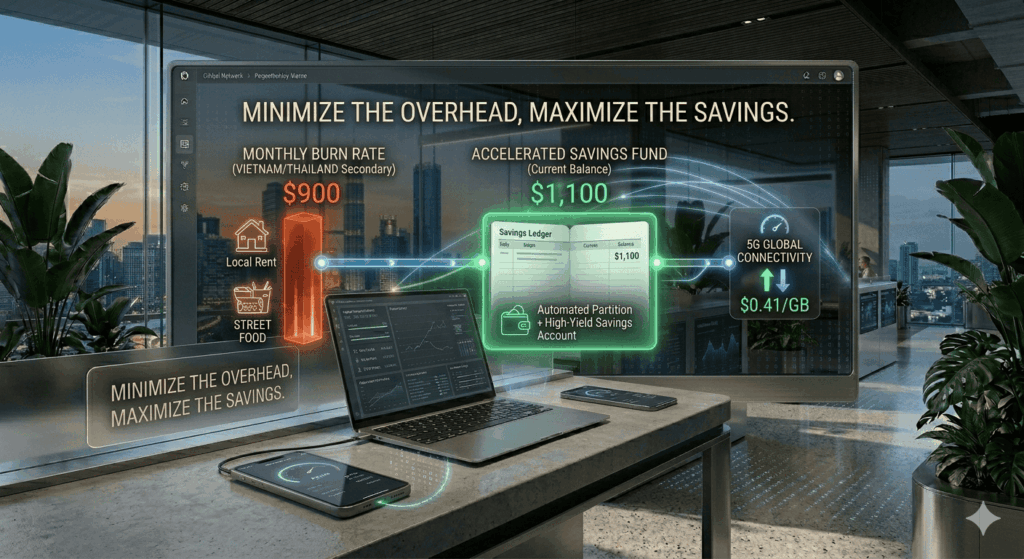
According to global cost-of-living data, a remote worker on an average $2,000 monthly budget can live exceptionally well in Asia, often saving half their income. The trick is to identify cities where lower costs do not mean sacrificing 5G data packages, fast fiber-optic loops, or modern co-working options.
Here is the operational blueprint to the most affordable, infrastructure-rich cities in Asia right now.
The 2026 Affordability & Performance Index
| City Base | Country | Average Monthly Cost | Cost of 1GB Mobile Data | Key Structural Benefit |
|---|---|---|---|---|
| Chiang Mai | Thailand | $950 – $1,100 | $0.41 | #1 global cost-efficiency rating |
| Da Nang | Vietnam | $850 – $1,200 | $0.28 | Fastest growing coastal tech scene |
| Tbilisi | Georgia | $800 – $1,100 | $1.91 | Flat 1% tax rate for freelancers |
| Yerevan | Armenia | $750 – $1,050 | $0.98 | Top-tier personal safety ranking |
| Iloilo City | Philippines | $900 – $1,300 | $0.45 | Widespread native English proficiency |
1. Chiang Mai, Thailand: The Undisputed Cost-Efficiency King
Chiang Mai has long been a staple of the location-independent movement, but data confirms it remains the most affordable city in the world for digital nomads.
The Cost Structure:
With a $2,000 monthly budget, a remote worker in Chiang Mai spends less than $1,000 on baseline living costs, leaving over $1,000 in disposable savings. Modern, fully furnished studio condos in neighborhoods like Wat Ket or Nimman range from $250 to $400 per month. Dedicated co-working passes at premium hubs like Alt_PingRiver average just $85 monthly.
The Infrastructure Edge:
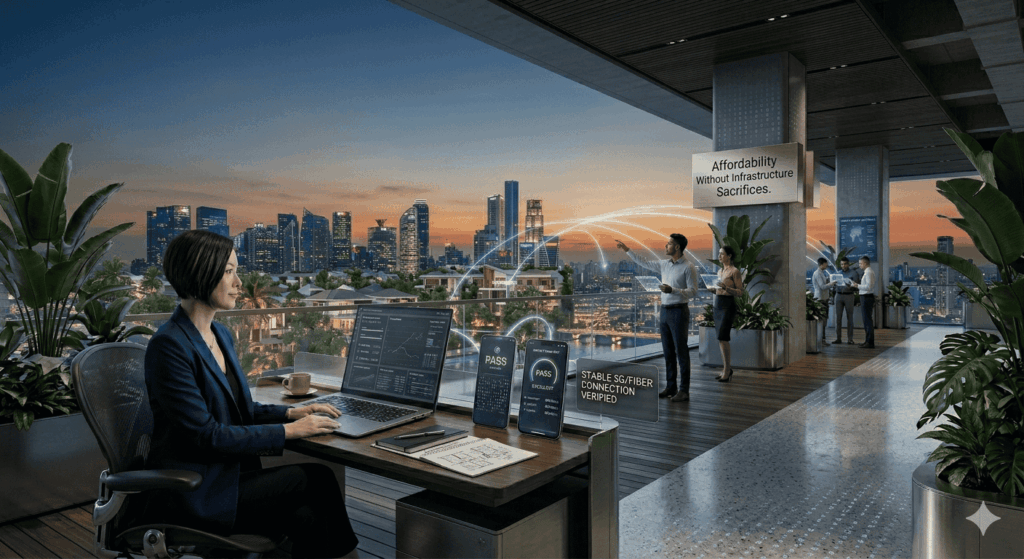
Thailand offers hassle-free, visa-free access to travelers from over 112 countries, alongside the accessible 5-year Destination Thailand Visa (DTV). Combined with mobile data costs at a rock-bottom $0.41 per gigabyte, Chiang Mai allows you to compress your operational overhead down to a minimum while maintaining seamless contact with Western markets.
2. Da Nang, Vietnam: The High-Yield Tech Frontier
While Ho Chi Minh City acts as a chaotic tech incubator, Da Nang has experienced a 122% explosion in remote work growth, making it Southeast Asia’s premier budget coastal hub.
The Cost Structure:
A premium lifestyle here costs roughly $900 to $1,300 per month. Beachfront one-bedroom high-rise apartments in the My Khe Beach district sit comfortably between $300 and $450 per month. Local dining, gym access, and domestic services are extraordinarily cheap, with mobile data averaging a tiny $0.28 per gigabyte.
The Infrastructure Edge:
Vietnam’s modernized 90-day e-visa framework allows for easy, legal mid-term stays. The city features a dense network of modern, air-conditioned co-working spaces and high-speed Wi-Fi cafés designed specifically for asynchronous developers, content strategists, and low-code architects.
3. Tbilisi, Georgia: The Flat-Tax Safe Haven
Positioned at the geometric intersection of Europe and Asia, Tbilisi provides an incredibly lucrative environment for independent contractors and creative solopreneurs looking to maximize their financial runway.
The Cost Structure:
Living comfortably in Tbilisi requires a monthly budget of $800 to $1,100. Rent for a charming apartment in historic or central neighborhoods ranges from $350 to $500. A monthly hot-desk pass at local design-forward workspaces averages $120—half the price of workspaces in Western Europe.
The Infrastructure Edge:
Georgia offers an unrivaled one-year visa-free entry program for over 100 nationalities. More importantly, eligible freelancers can apply for the “Small Business Status,” which drops their personal income tax rate down to a flat 1% on turnovers up to approximately $180,000 USD. This unique tax optimization framework makes Tbilisi a powerful financial accelerator.
4. Yerevan, Armenia: The Safe, Low-Cost Alternative
Frequently ranking alongside Tbilisi as a South Caucasus hidden gem, Yerevan combines an ancient cultural background with modern, high-grade security and low urban friction.
The Cost Structure:
Total monthly expenses hover between $750 and $1,050, making it one of the absolute cheapest European-style bases available. Clean apartments average $300 to $450 per month, and mobile data sits under a dollar per gigabyte ($0.98).
The Infrastructure Edge:
Armenia is rated as one of the safest nations globally for foreign travelers and solo professionals. The city features a rapidly expanding café working culture and an incredibly open visa environment that welcomes citizens from 140 nations without upfront paperwork, allowing solo consultants to focus entirely on deep work.
5. Iloilo City, Philippines: The English-Fluent Standard
For freelancers who want to avoid the high-density traffic and premium pricing of Manila or Cebu, Iloilo City on Panay Island offers a clean, highly educated alternative.
The Cost Structure:
A comfortable, modern remote lifestyle can be maintained for $900 to $1,300 per month. Condos in the modern Iloilo Business Park or the Mandurriao district cost $300 to $450/month, while fresh local food and daily expenses are incredibly low.
The Infrastructure Edge:
The Philippines is a global B2B outsourcing powerhouse, meaning the entire local population is fluently bilingual in English. This completely eliminates the language barrier for managing daily life, setting up local bank accounts, or hiring local virtual assistants. Widespread fiber rollouts ensure stable connectivity for real-time customer support or system operations.
Conclusion: Use the Runway to Build Your Moat
Choosing an affordable Asian city is not about living poorly; it is a calculated corporate strategy. When you compress your personal living expenses down to an $800–$1,200 baseline while maintaining a $5,000+ monthly revenue pipeline, you create a massive Financial Buffer.
This runway frees you from the survival anxiety that forces most freelancers to accept low-paying, high-stress projects. By stabilizing your cost floor in a city like Chiang Mai or Da Nang, you buy the mental clarity and time required to productize your expertise, build premium personal brands, and target high-ticket enterprise clients.
Leave your comment